Compare Local Contractors for Paver Hardscape Installation Success
Compare local contractors to define project scope, verify experience, and set clear expectations for your paver hardscape installation.
Contractors specializing in paver hardscape installation typically handle a range of outdoor projects, including patios, walkways, driveways, and other paved surfaces that enhance both functionality and aesthetic appeal. These professionals are experienced in preparing the ground, selecting appropriate materials, and laying pavers to ensure a durable and visually appealing result. Their work often involves site assessment, excavation, base preparation, and precise placement of pavers to create a stable, long-lasting surface that complements the property's landscape.
Defining the scope of a paver hardscape project is crucial to establishing clear expectations and ensuring the final outcome aligns with property owners' needs. A well-outlined scope includes details such as the size and layout of the paved area, types of materials to be used, surface finishes, and any additional features like borders or lighting. Having these specifics in writing helps prevent misunderstandings and provides a reference point for project progress and completion. It also enables property owners to compare different service providers based on their understanding of the project's requirements and proposed solutions.
When evaluating local contractors for paver hardscape installation, property owners should consider experience, reputation, and the scope of services offered. Gathering information about each contractor’s previous work, specialties, and areas of expertise can provide insight into their capabilities. It’s helpful to ask for references or examples of completed projects similar in scope. Comparing how each service provider approaches planning, communication, and project management can aid in selecting a team that aligns with the property owner’s expectations. Clear, detailed proposals and written agreements are key to establishing a transparent working relationship and ensuring the project proceeds smoothly.
Compare local contractors by outlining project priorities, verifying experience, and clearly defining scope and expectations in writing.
- Compare Contractor Experience - Review the backgrounds and project portfolios of local contractors to assess their expertise in paver hardscape installation.
- Define Project Scope Clearly - Outline specific details and expectations in writing to ensure mutual understanding of the work involved.
- Verify Credentials and References - Check references and previous work to confirm the reliability and quality of service providers.
- Request Written Agreements - Have all project details, responsibilities, and expectations documented in a formal agreement.

Clearly describe your paver hardscape project to help compare contractors, define scope, verify experience, and set expectations in writing.
- Verify the contractor’s experience with paver hardscape installations to ensure familiarity with the scope of work. - Look for a detailed project outline that clearly defines the materials, design, and installation process.
- Ensure the scope of work is documented in writing to prevent misunderstandings and set clear expectations. - Confirm that the contract specifies the quality of materials, installation standards, and project deliverables.
- Assess the contractor’s ability to handle site preparation, including grading and base installation, for a stable foundation. - Check that local contractors follow proper procedures to prevent future issues like shifting or uneven surfaces.
- Review the contractor’s approach to jointing, edging, and sealing to maintain the durability and appearance of the pavers. - Ensure these details are included in the scope and align with best practices for long-lasting results.
- Compare how different service providers plan to manage drainage and slope to prevent water pooling or erosion. - Look for clear explanations of how they will address site-specific drainage considerations.
- Confirm that the installation process includes proper compaction and testing to meet quality standards. - Ensure the scope covers these critical steps to achieve a durable and stable hardscape.
Compare local contractors' experience and clarify project scope to ensure expectations are well-defined.


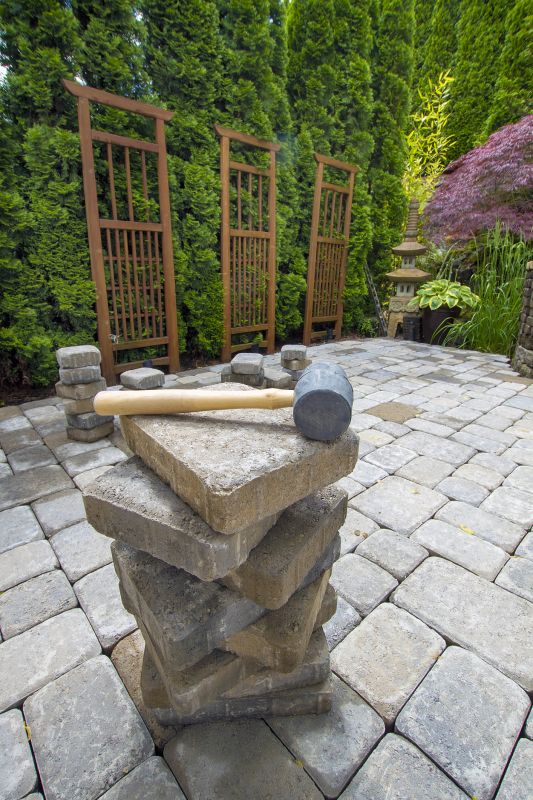
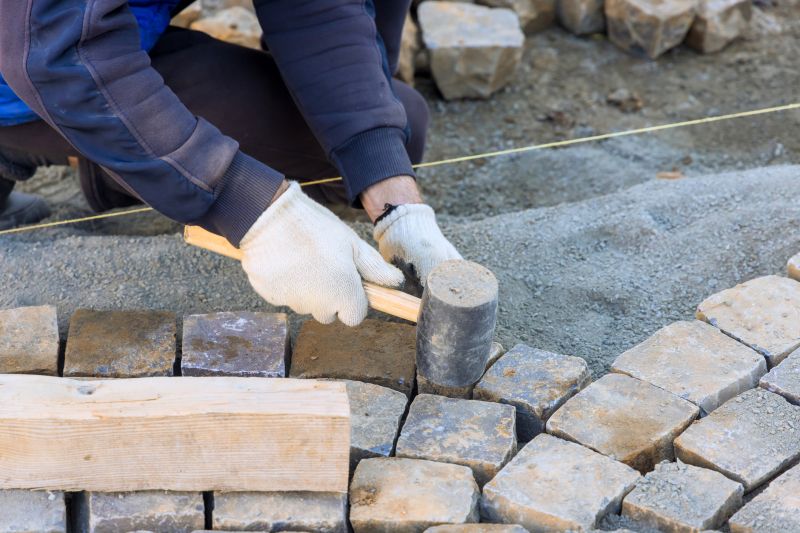
This scope builder helps compare and define project details consistently across local contractors for paver hardscape installation.
- Project Scope - Clearly define the specific areas and extent of paver hardscape installation needed.
- Material Selection - Specify the types, colors, and patterns of pavers and related materials to be used.
- Design Details - Outline the desired layout, pattern, and aesthetic considerations for the hardscape.
- Site Preparation - Identify required groundwork, grading, and base preparation to support the installation.
- Installation Expectations - Establish the quality standards and workmanship requirements for the project.
When evaluating contractors for paver hardscape installation, it is important to consider their experience with similar projects. Homeowners should inquire about the types of paver installations the contractor has completed, including the scope and complexity of past work. A contractor with a proven track record in projects comparable to the desired outcome can provide insights into their familiarity with different materials, site conditions, and design considerations. Verifying a contractor’s experience helps ensure they possess the practical knowledge needed to handle the specific requirements of a paver installation project.
A clear, written scope of work is essential to establish mutual understanding and set expectations. Homeowners should seek detailed descriptions of the tasks involved, including site preparation, materials to be used, installation methods, and finishing details. Having a comprehensive scope documented in writing helps prevent misunderstandings and provides a basis for evaluating the contractor’s proposal. It also ensures that both parties are aligned on project deliverables, reducing the chances of scope creep or disputes during the process.
Verification basics involve confirming the contractor’s background and track record. Homeowners can ask for references from previous clients who had similar work done, and inquire about the contractor’s reliability, workmanship, and professionalism. It is also helpful to review any available project portfolios or case studies. Verifying these aspects provides a clearer picture of the contractor’s capabilities and consistency in delivering quality results. Conducting due diligence in this area helps identify service providers with a history of successful project completion and satisfied clients.
When comparing options, homeowners should evaluate the professionalism and thoroughness of each contractor’s proposal. This includes reviewing the scope of work, project details, and any supporting documentation. It is beneficial to look for consistency and clarity in the information provided, as well as how well the scope aligns with the project’s needs. Additionally, asking service providers about their approach to project management, communication, and quality control can help distinguish experienced and organized contractors. This process allows for a comprehensive comparison based on their expertise, clarity, and approach, rather than solely on cost considerations.
Ask contractors to provide written scope details to ensure clear expectations and consistent project outcomes.
- Experience and Portfolio - What types of paver hardscape projects have the contractors completed previously?
- Scope of Work - How do the contractors define and document the specific scope of the paver installation project?
- Material Selection - What options for paver materials and finishes do the contractors typically recommend and include?
- Project Approach - How do the contractors plan to handle site preparation, installation, and finishing steps?
- Communication and Expectations - How do the contractors ensure clear communication and set expectations in writing for the project scope?
How can I compare different contractors for paver hardscape installation? To compare contractors effectively, review their experience, request references, and examine previous work to assess quality and style consistency.
What should I consider when defining the scope of my paver project? Clearly outline the area to be paved, the type of pavers, and any additional features or patterns to ensure contractors understand the project requirements.
How do I verify a contractor’s experience with paver hardscape installation? Ask for details about their past projects, years of experience, and whether they have worked on similar installations to gauge their expertise.
Why is it important to have the project scope and expectations in writing? Having a written agreement helps prevent misunderstandings, clarifies the work to be done, and sets clear expectations for the project.
What questions should I ask a contractor before hiring for paver installation? Inquire about their previous experience, the materials they recommend, the process they follow, and how they handle potential issues during installation.
How can I ensure the contractor understands my design preferences? Share detailed plans, images, or sketches, and confirm that the contractor can execute the style and pattern you envision before work begins.
This page has highlighted key considerations for selecting contractors to handle paver hardscape installation, including how to define the project scope, verify experience, and establish clear expectations in writing. Understanding these aspects can help ensure a smooth process when comparing local service providers. To explore options and find the right contractor for specific needs, using the quote form to connect with local contractors is recommended.
By utilizing the quote form, visitors can easily compare local contractors who specialize in paver hardscape installation. This approach allows for direct communication with service providers, helping to gather information and make informed decisions based on individual project requirements. Taking this step can assist in identifying the best fit among available local options.